
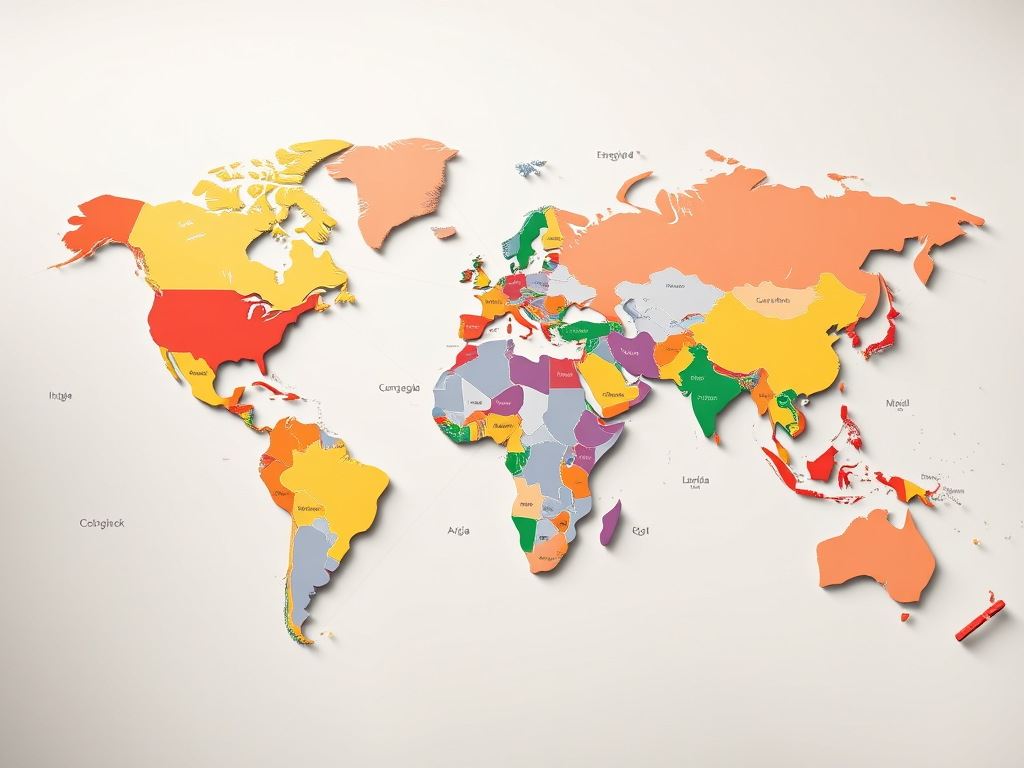
Looking to expand your website’s reach to international audiences?
Learn about hreflang tags – what they are, how they work, and the benefits of using them. Discover common mistakes to avoid and get tips on optimizing your site for global visitors.
We discuss alternative strategies for international SEO and how to effectively reach a wider audience with hreflang tags.
What Are Hreflang Tags?
Hreflang tags are an essential element of optimizing a multilingual website for international audiences, enabling language targeting and enhancing search engine optimization.
These tags work by signaling to search engines which language and geographical audience each version of a webpage is intended for, ultimately helping search engines serve the most relevant version to users in their preferred language. This not only boosts the visibility of the site in different regions but also greatly improves the user experience by catering to the linguistic preferences of diverse audiences.
By accurately implementing hreflang attributes with proper language codes, website owners can ensure that their content ranks higher in search results for specific language queries, thus driving more targeted traffic and increasing user engagement.
What Are the Benefits of Using Hreflang Tags?
Using hreflang tags offers numerous benefits for optimizing a site, including enhancing global search presence, improving user experience, increasing website visibility, and elevating search engine rankings.
These tags play a crucial role in ensuring that users from different regions and languages are directed to the appropriate version of a website, thereby enhancing user experience. By helping international users access content in their preferred language and location, hreflang tags significantly boost user engagement. This not only reduces bounce rates but also encourages visitors to spend more time on the site, increasing the likelihood of conversions and fostering a sense of trust and credibility with the international audience.
How Do Hreflang Tags Work?
Hreflang tags function by signaling to search engines the language-specific content of a website, aiding in geotargeting and aligning with user search intent.
These tags work by specifying the language and optionally the region of a web page, enabling search engines to display the most relevant version based on a user’s language preference. For instance, if a user from France searches for a particular topic, hreflang tags help ensure that the French version of the website is prioritized in the search results. By accurately communicating language signals, websites can cater to diverse linguistic audiences and enhance user satisfaction by presenting content in a language familiar to the visitor.
What Is the Syntax for Hreflang Tags?
The syntax for hreflang tags involves utilizing the hreflang attribute within HTML tags to specify the language and region targeting of different versions of a website.
By incorporating hreflang tags, webmasters can ensure that search engines display the correct language or regional version of their content to users across various countries. The hreflang attribute works by indicating to search engines the relationship between different language versions of a webpage.
For instance, a typical hreflang tag would look like this: . It is crucial to follow best practices, such as using standardized ISO language codes like ‘fr’ for French and ‘de’ for German, to guarantee proper execution of hreflang tags.
How Do You Implement Hreflang Tags?
Implementing hreflang tags requires following specific guidelines to assign correct hreflang values to different language versions of a website.
This includes structuring hreflang attributes in the HTML code of each page, specifying the language and optionally the region for accurate targeting.
The first step is to identify the language and country codes of each version of your site. For example, ‘en‘ represents English and ‘es‘ stands for Spanish. These codes should be inserted into the hreflang tag along with the corresponding URLs.
It is crucial to double-check the syntax and format to avoid any errors that could impact the effectiveness of the hreflang implementation.
What Are the Common Mistakes When Using Hreflang Tags?
Several common mistakes can occur when using hreflang tags, including hreflang errors, implementation errors, and conflicts that can impact the website’s performance and SEO.
- Hreflang errors often stem from incorrect implementation, such as missing or mismatched hreflang attribute values. This can lead to search engines failing to recognize the language or country targeting, resulting in improper indexing or even penalties.
- Conflicts between language versions can arise when hreflang tags point to the wrong language or region versions of a page. To avoid these issues, it is crucial to carefully validate hreflang implementations, ensure correct attribute values, and resolve any conflicting indications across multiple versions of a website.
Using Incorrect Language Codes
One common mistake is using incorrect language codes in hreflang tags, leading to validation issues that can be identified and rectified using hreflang validation tools.
Proper language codes in hreflang tags are crucial for accurate language targeting on multilingual websites. When implementing hreflang annotations, it is essential to ensure that the codes match the specified languages. By utilizing hreflang validation tools, webmasters can easily detect any errors in language codes and correct them promptly. These tools help in validating hreflang attributes, guiding users to adhere to the correct language code format, ensuring effective implementation and compliance with hreflang guidelines.
Not Including All Language and Country Variations
Another mistake is not including all language and country variations on a multiregional site, which can be addressed by incorporating a language selector for seamless user navigation.
Including all language and country variations in hreflang tags is crucial for ensuring that your website caters to a diverse audience with different language preferences and regional dialects.
By implementing hreflang annotations, you signal to search engines the language and regional targeting of each version of your site. This comprehensive coverage helps in ranking the correct language version in the appropriate region’s search results, ultimately leading to improved organic traffic and user engagement.
A user-friendly language selector empowers visitors to easily toggle between different language versions, offering a personalized browsing experience and promoting user interaction across various regions.
Using Self-Referencing Hreflang Tags
Self-referencing hreflang tags can lead to issues such as hreflang pitfalls and conflicting canonical tags, affecting website performance and SEO.
When hreflang tags reference the same page they are implemented on, it can create confusion for search engine crawlers, potentially leading to indexing errors and decreased visibility. Conflicts with canonical tags can arise when there are inconsistencies in specifying the preferred version of a webpage.
To address these challenges, it is crucial to ensure that hreflang tags accurately point to relevant language or regional variations of a webpage without self-referencing. By maintaining a clear hierarchy and consistency between hreflang and canonical tags, websites can uphold proper structure and improve their SEO efforts.
How to Optimize Your Site for International Audiences Using Hreflang Tags?
Optimizing your site for international audiences through hreflang tags involves identifying target countries and languages, implementing hreflang tags on all pages, optimizing website configuration for user location detection, and monitoring and updating hreflang tags regularly.
This process begins with conducting thorough research to determine which countries and languages are the main focus for your website.
Once you have identified your target audience, you can proceed to implement hreflang tags across all relevant pages to ensure that search engines display the most relevant version of your content to users based on their language and location preferences.
Configuring your website to accurately detect user locations can further enhance the user experience by automatically directing visitors to the appropriate language or regional version of your site.
Regularly monitoring and updating your hreflang tags is crucial to maintaining the accuracy and effectiveness of your international SEO strategy, ultimately driving higher web traffic and improving user engagement.
Identify Your Target Countries and Languages
Begin by identifying your target countries and languages to establish an effective international targeting strategy, ensuring regional content relevance and web localization.
This initial step is crucial to aligning your website with the specific needs and preferences of your international audience. By tailoring your content to resonate with different regions, you can enhance user engagement and build trust with visitors from diverse backgrounds.
Implementing regional content strategies allows you to address cultural nuances and market trends, making your website more appealing and relevant to local users. Localizing web elements such as language, currency, and imagery can greatly improve the overall user experience, leading to increased traffic and better search engine optimization (SEO) rankings.
Implement Hreflang Tags on All Pages
Implementing hreflang tags on all pages is crucial for ensuring a cohesive website structure, language-specific URLs, and optimizing website traffic for international audiences.
By incorporating hreflang tags consistently across your website, you can effectively communicate to search engines which language or region each web page is targeting. This will help search engines serve the right content to users based on their language preferences, resulting in a more personalized user experience. Proper hreflang tag implementation can significantly boost your website’s visibility in global search results, making it more accessible to international audiences and driving relevant traffic to your site.
Use Hreflang Tags in Sitemaps
Incorporating hreflang tags in sitemaps is a strategic approach to enhance website mapping, support hreflang strategy, and streamline website translation processes for international audiences.
By including hreflang tags in the sitemap, websites can significantly improve their indexing and visibility across different language versions. The usage of hreflang tags within sitemaps helps search engines understand the relationship between language alternatives of a webpage, making it easier for users to find the relevant content in their preferred language.
This integration not only enhances user experience but also boosts the overall SEO performance of the website, leading to increased organic traffic and improved conversion rates. Sitemap inclusion of hreflang tags provides a clear signal to search engines that the site caters to diverse linguistic audiences, ultimately strengthening the site’s global presence and reach.
Monitor and Update Hreflang Tags Regularly
Regularly monitoring and updating hreflang tags is essential to align with user behavior patterns, enhance the user journey across language variations, and improve website performance for international audiences.
As online behaviors shift and evolve, keeping a close eye on how users interact with different language versions of your website becomes crucial. By updating hreflang tags accordingly, you can ensure that users are seamlessly directed to the most relevant content in their preferred language, ultimately optimizing their experience.
This ongoing process not only enhances user satisfaction but also plays a key role in maintaining high website performance standards across diverse linguistic audiences. The correlation between updated hreflang tags and increased user engagement is clear, highlighting the importance of staying attuned to these trends.
What Are the Alternatives to Hreflang Tags?
While hreflang tags are effective, there are alternative methods for cross-border search and language targeting strategies that can serve as viable alternatives to optimize website visibility and international SEO.
One such alternative is utilizing country-specific domains, where a separate domain is created for each country targeted. This method not only enhances local relevance but also helps build trust among users as they see a domain aligned with their country.
Another approach is using subdomains for each country, providing a logical organization for international content. Subdirectories for country-specific content can also be employed, allowing for easy management and consolidation of language variations within the primary site structure.
Country-Specific Domains
Opting for country-specific domains can be an effective alternative to hreflang tags, enabling the creation of regional content and geo-targeted content for enhanced international visibility.
By utilizing country-specific domains, businesses can establish a strong online presence tailored to the unique preferences and needs of diverse international audiences. This approach allows for a more seamless navigation experience for users, as they are automatically directed to the localized content relevant to their region. Having region-specific domains can significantly boost search engine optimization efforts, as search engines prioritize localized content when presenting search results to users. Implementing this strategy can lead to increased user engagement, higher conversion rates, and improved brand credibility in different markets.
Subdomains for Each Country
Utilizing subdomains for each country offers a multiregional SEO approach, allowing for the segregation of language-specific content and targeted optimization for diverse regions.
- By leveraging subdomains, website owners can streamline the management of different language versions by hosting them on separate subdomains associated with each country. This not only makes it easier to update and customize content for specific regions but also helps in tailoring SEO strategies to meet the preferences and search behaviors of audiences in those areas.
- With subdomains, businesses can effectively target specific geographic locations and enhance their online visibility by optimizing each subdomain according to the unique needs and preferences of users in different countries.
Subdirectories for Each Country
Implementing subdirectories for each country is a viable alternative to hreflang tags, allowing for the organization of regional content and precise region targeting within a website structure.
This method simplifies the process of managing country-specific content, making it easier for users to access relevant information based on their location. By utilizing subdirectories, website administrators can efficiently structure content according to different regions, improving user experience and enhancing SEO efforts.
Subdirectories assist in optimizing website visibility for international audiences by signaling to search engines the specific regions targeted by the content, ultimately leading to better organic search rankings in those regions. Incorporating subdirectories can significantly benefit websites aiming to target multiple regions effectively.
Leave a Reply